
Patient Stories
Natalie Murphy
At sixteen weeks pregnant, the room went quiet in a way I had never heard before.
Not peaceful—heavy. The kind of quiet that tells you something has shifted forever. Placenta accreta. I didn’t understand the word at first. I remember the doctor reaching out, gently touching my hand, her voice low as she apologised—truly apologised—for having to give me this diagnosis. That small human gesture cut through the clinical language and told me everything I needed to know. This wasn’t routine. This was serious. This was life-changing.
My placenta had grown too deeply, embedding itself where it shouldn’t, turning pregnancy into a high-risk balancing act. They spoke about haemorrhage, about plans, about preparing for the worst. What I heard was simpler and more terrifying: my body had become unsafe.
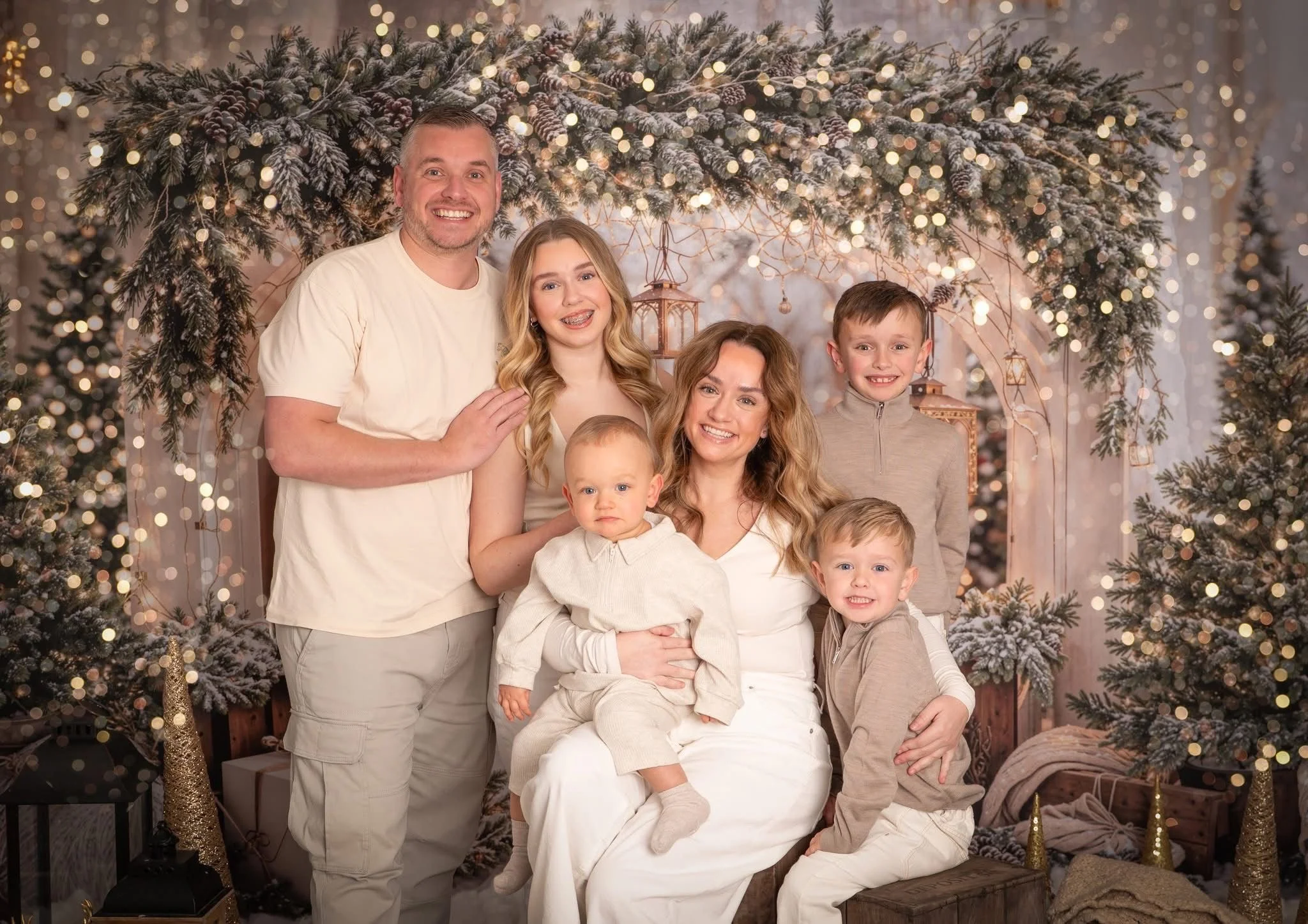
From that moment on, pregnancy stopped feeling like anticipation and started feeling like survival. Every day after the diagnosis carried a quiet, constant fear. I lived with the knowledge that catastrophic bleeding could happen at any time, without warning. But layered beneath that fear was something heavier still—the knowledge that I already had three children who needed me. Three lives I had brought into the world. Death was not an option. I smiled when I was supposed to, reassured others when they needed it, but inside I was counting weeks, holding my breath, staying alive not just for myself, but for them.
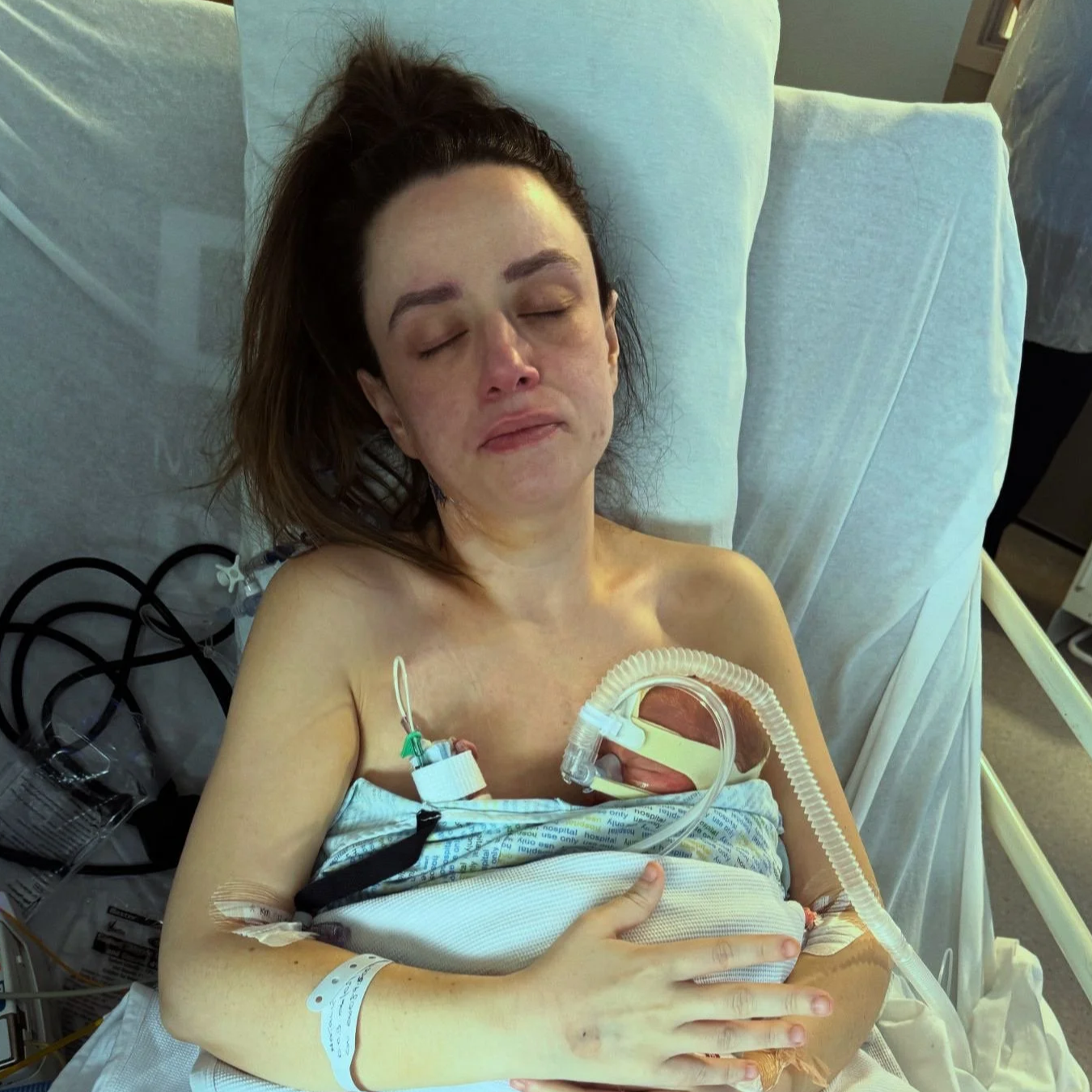
On August 12, 2024, control disappeared. My waters broke early at 30 weeks and suddenly everything I had feared became real. Preterm delivery. Emergency care. Fear moving faster than thought. Time blurred. I felt both surrounded and completely alone, suspended in a moment where nothing felt real and everything felt final. All I could think was that I had to survive—that my children needed their mummy to come home.
I spent more than nine hours in surgery. My bladder was resected and repaired. Drains were placed. I received nineteen blood transfusions. At thirty-three years old, I had a C-section hysterectomy—necessary, lifesaving, and devastating all at once. A catheter remained for five weeks post natal.
I woke up in ICU alive, but fundamentally changed.
And then there was my baby. Born too soon, fragile and fighting, arriving into a world that had come far earlier than planned. Joy and sadness existed side by side. Gratitude felt overwhelming, but so did fear—fear of loss, fear of hope, fear of letting myself feel anything fully.
Leaving the hospital didn’t mean leaving the trauma behind. It followed me home in the silence, in the nightmares, in the moments where my body no longer felt like a safe place to live. I felt isolated in a way that’s hard to explain—surrounded by people, yet alone with memories no one else could see or feel. The sounds of monitors, the smell of the hospital, the knowledge of how close I came to leaving my children without their mum replayed without warning.
People told me how strong I was. How lucky. How amazing modern medicine is.
But strength wasn’t what it felt like. It felt like fear. And grief. And survival tangled with gratitude in ways that didn’t make sense. It felt like mourning a future that ended without my consent, while learning how to live in a body that had endured more than it should have had to.
What truly helped me begin to heal was psychological support. Trauma doesn’t end when the bleeding stops or the scars close. It lives on in the nervous system, in the memories, in the way your body responds long after the danger has passed. Having professional support gave me permission to name what happened as traumatic, to grieve what I lost, and to understand that struggling didn’t mean I was weak—it meant I was human.
I am doing better now. I can breathe again. I can be present. I can experience joy without it breaking me. But I am not the same person I was before—and I never will be. Something fundamental shifted in me through this experience. And that’s okay. I carry what happened with me, not as a wound that defines me, but as a truth that shaped me. I survived something extraordinary. I live with the echoes of it, but I also live with resilience, compassion, and a deeper understanding of how fragile and precious life truly is.
To any woman reading this who has just heard the words placenta accreta and feels the ground fall away beneath her feet—please know this: you will get through this.
The road may be frightening, unpredictable, and nothing like what you imagined. There may be moments where survival feels like the only thing you can manage—and that is enough. Lean on the care around you. Ask for support, especially for your mind as well as your body. You are allowed to be scared and still be brave. This experience may change you, but it does not end you.
I am living proof that even in the darkest, most overwhelming moments, there is a way forward. Healing is not linear, and life may look different on the other side—but there is an other side.
You are not alone.
You are not broken.
And you will get through this.
I am changed.
I am healing.
And I am still here.
PAS Survivor